My journey into design started long before university. During secondary school at Theresia Lyceum in Tilburg, I completed the HAVO programme with a focus on Nature & Technology and Nature & Health, while also taking Visual Arts as an additional subject. Looking back, this combination reflects something that has always defined me: a wide range of interests and a curiosity that made it difficult to choose a single direction.
Because of this curiosity, I participated in several extracurricular modules and programmes. One of these was the preparatory programme at the Art Academy St. Joost. Although I enjoyed the creative freedom, I realised that I was looking for something with a stronger technical foundation. I wanted to create tangible solutions, not just concepts.
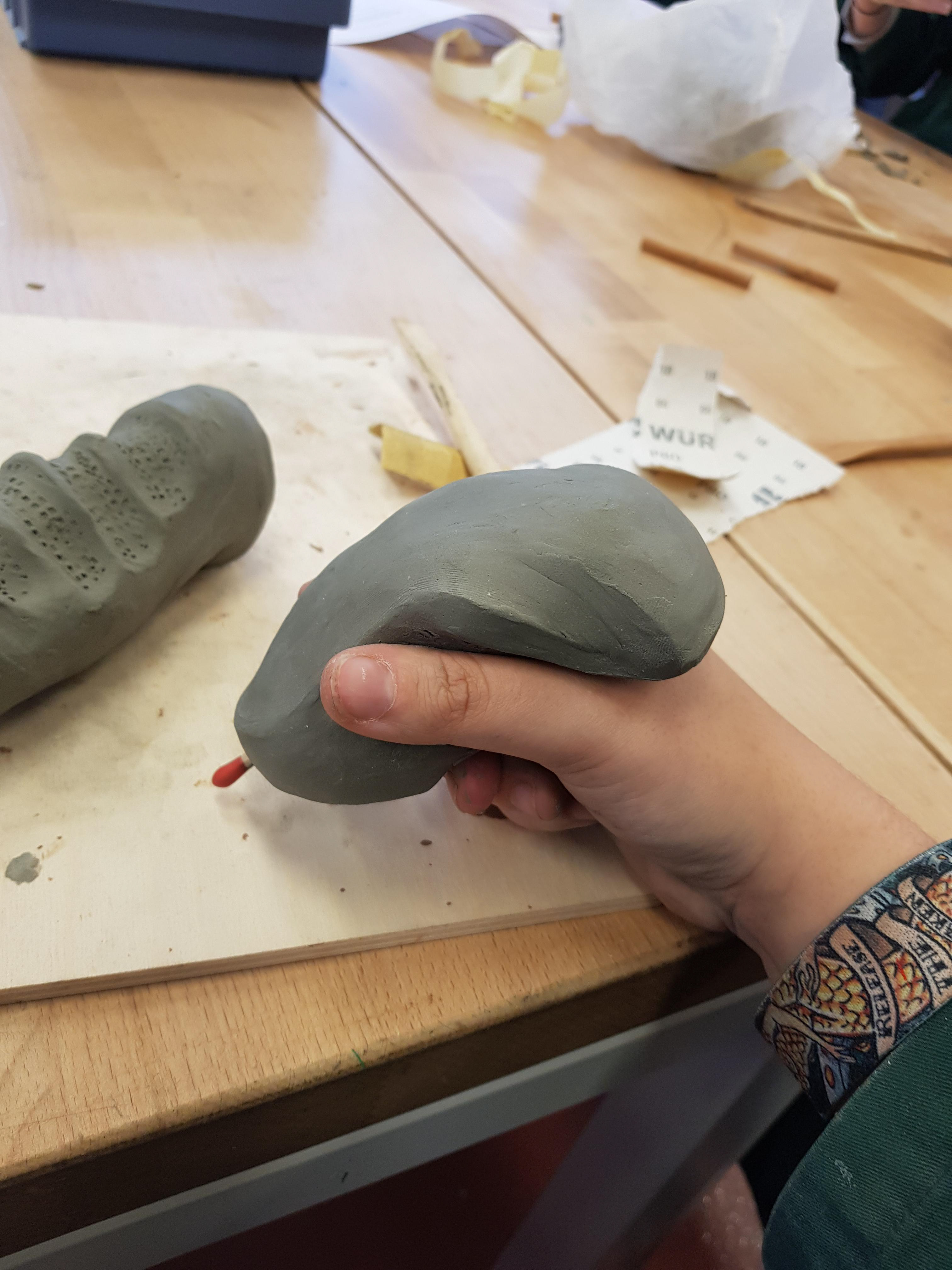
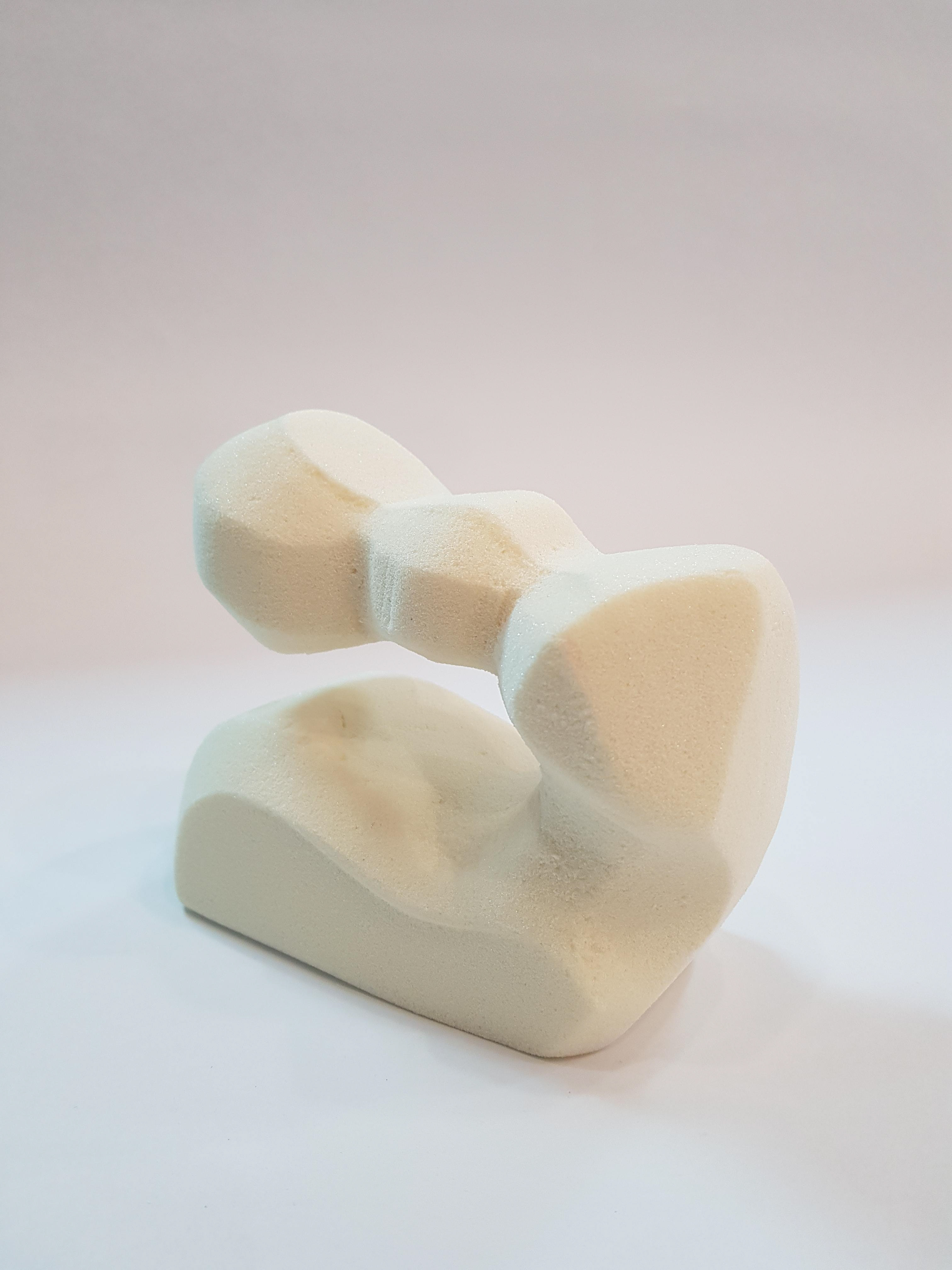
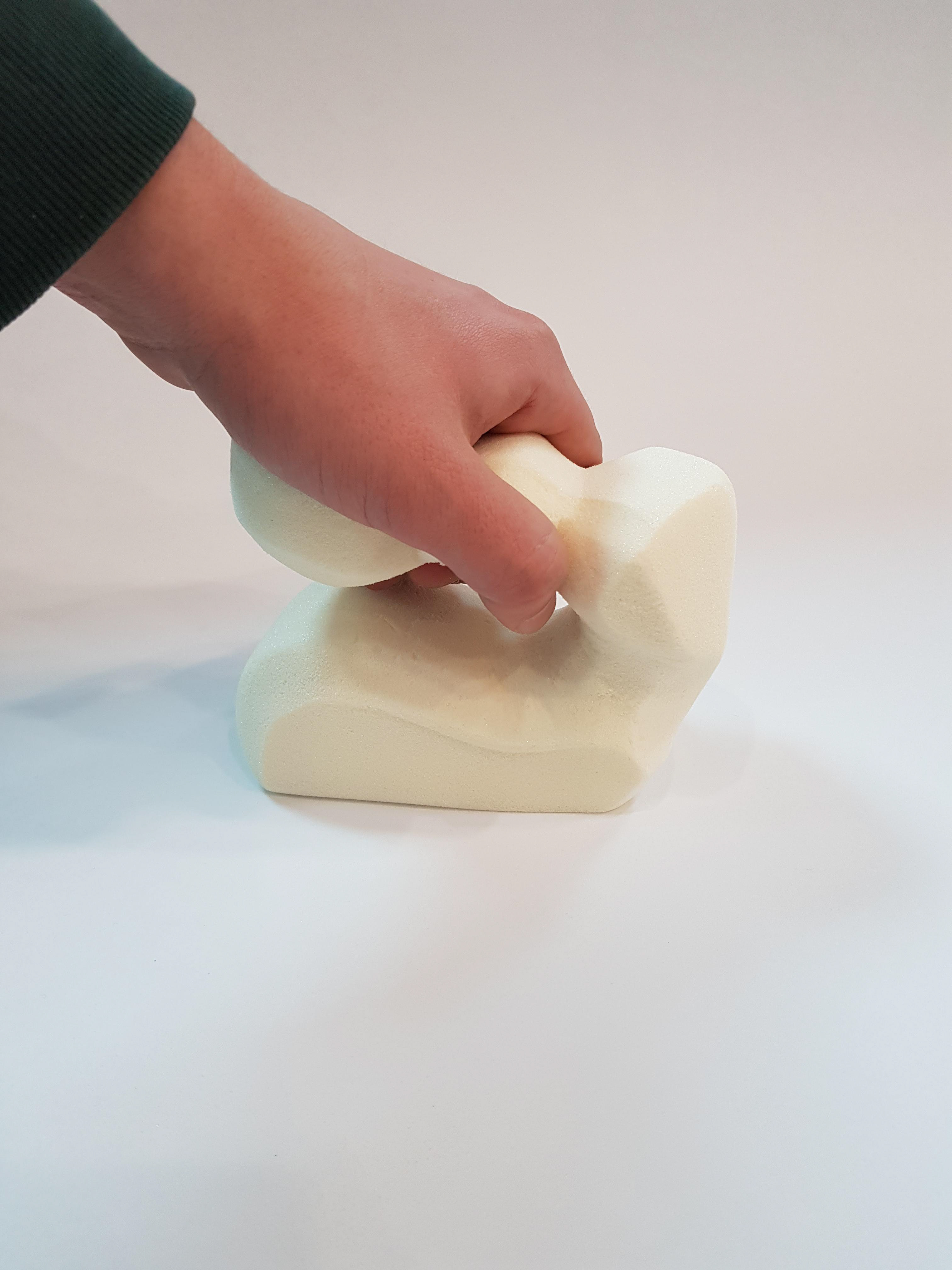
This search eventually led me to Industrial Product Design at HAN University of Applied Sciences. The programme offered exactly what I was looking for: a combination of creativity and engineering. What particularly attracted me was the focus on ergonomics and the relationship between people and products. Understanding how people interact with objects has always fascinated me, as it combines design with elements of psychology and human behaviour.
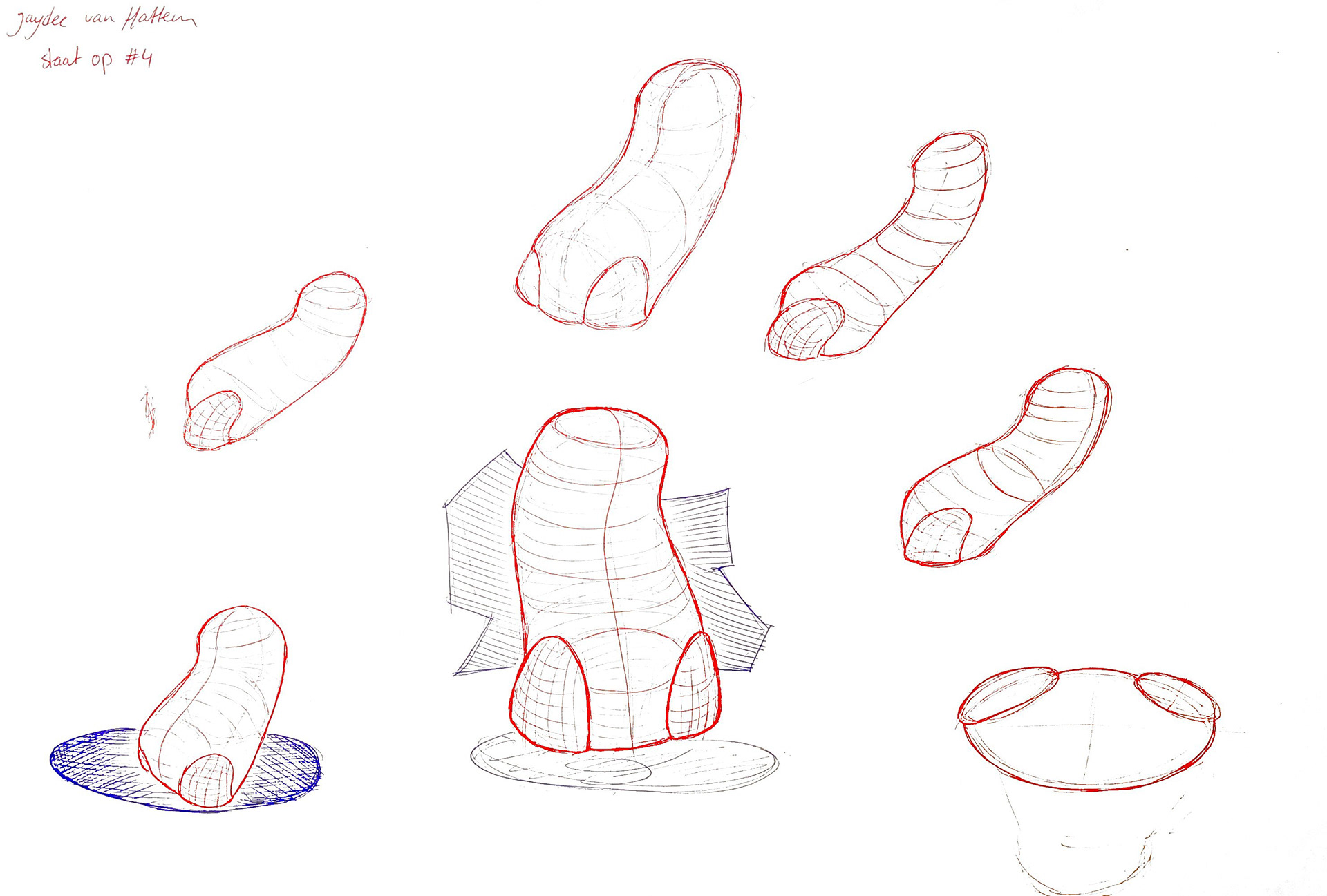
During my first year, I obtained my VCA certificate and gained extensive experience working in both wood and metal workshops. I also became familiar with a wide range of digital fabrication technologies, including laser cutters and 3D printers. These hands-on experiences strengthened my passion for turning ideas into physical products.
Throughout various projects, I discovered a particular interest in designing solutions for people with disabilities. Although the connection may seem obvious in hindsight, this field opened up an entirely new world for me. It showed me how design can have a direct and meaningful impact on people's daily lives, combining creativity, technology, and empathy.
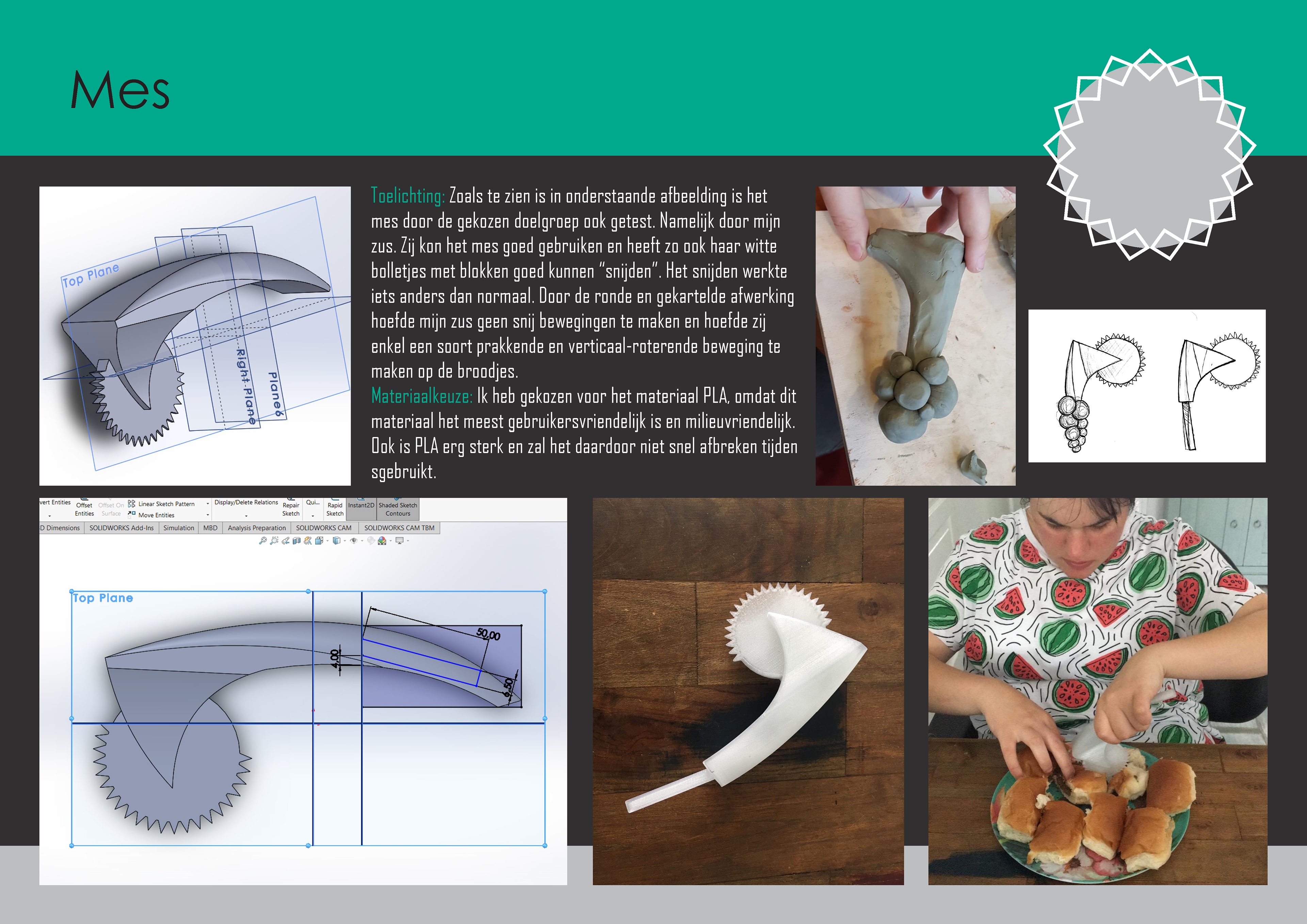
During one of my courses, I designed a cutlery set for my sister. Even though the knife was not yet fully developed, it turned out to be the most successful part of the project. Seeing my sister cut her own sandwich independently again was a meaningful moment and showed the impact that thoughtful design can have on everyday life.
While I greatly valued the practical approach of the programme, I increasingly felt the need for more depth in the research phase of projects. I wanted to better understand the underlying theories, scientific evidence, and human factors that shape effective design decisions. I also felt that stronger research methods and validation processes could further improve the quality of design outcomes.
This desire to explore problems more deeply ultimately motivated me to continue my education at Eindhoven University of Technology. I wanted to combine the practical skills I had developed with a more research-driven approach to design, allowing me to better understand the people I design for before creating solutions for them.
My TU/e path through the curriculum
My journey through the TU/e curriculum helped me discover not only new skills, but also the type of designer I want to become.
Some courses introduced me to areas outside my comfort zone. Through Creative Programming and Creative Electronics, I learned the fundamentals of coding and interactive technology. Although programming never became a personal passion, these courses taught me enough to confidently use these tools when needed rather than avoiding them. Similarly, courses such as Making Sense of Sensors and Data Analytics for Engineers showed me how data and technology can support design decisions and how complex information can be communicated through clear visualizations.
Other courses helped me understand what truly motivates me. Creative Mechanical Designing, Engineering and Manufacturing was one of my favourite courses, as it combined design with technical and physical principles. I enjoyed translating ideas into functional solutions and discovered a strong interest in the engineering side of product development. User-Centered Design provided a solid foundation in conducting user research and testing, skills that later proved invaluable during my graduation project at ETZ Hospital.
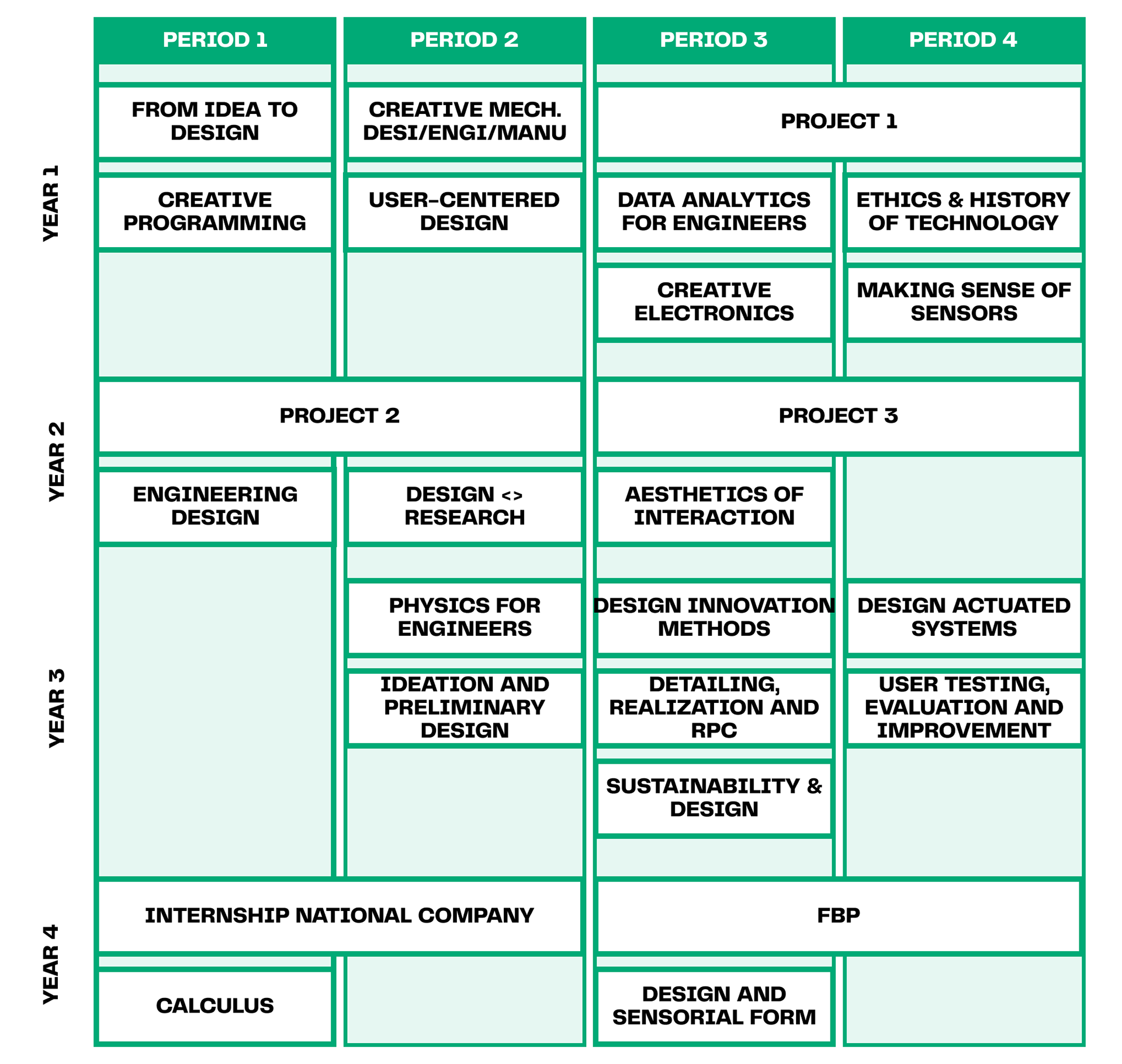
A recurring theme throughout the curriculum was collaboration. During Engineering Design and the subsequent USE Engineering Design trajectory, I worked in multidisciplinary teams with students from different backgrounds. These projects were among the most rewarding experiences of my studies. Seeing how different perspectives and expertise could accelerate progress confirmed that I enjoy working in teams where people complement each other's strengths.
Not every course matched my interests equally. For example, while I found materials fascinating during my time in the Sensory Matters squad, I discovered that I work best on projects with a clear and tangible design challenge. These experiences helped me better understand my own preferences and working style.
Looking back, the curriculum has given me a unique combination of practical and theoretical design skills. My previous education at HAN taught me the value of hands-on product development, while TU/e challenged me to support design decisions with research, analysis, and reflection. Together, these experiences shaped me into a designer who enjoys combining technical problem-solving, user-centered thinking, and multidisciplinary collaboration to create meaningful products.