For my Final Bachelor Project at ETZ Hospital, I worked on redesigning the immobilization mask used during Gamma Knife radiosurgery treatments. The goal was to improve patient comfort while maintaining the high level of accuracy required for treatment. Throughout the project, I combined clinical research, user-centered design, medical imaging analysis, and rapid prototyping to develop and evaluate a patient-specific 3D-printed mask concept.
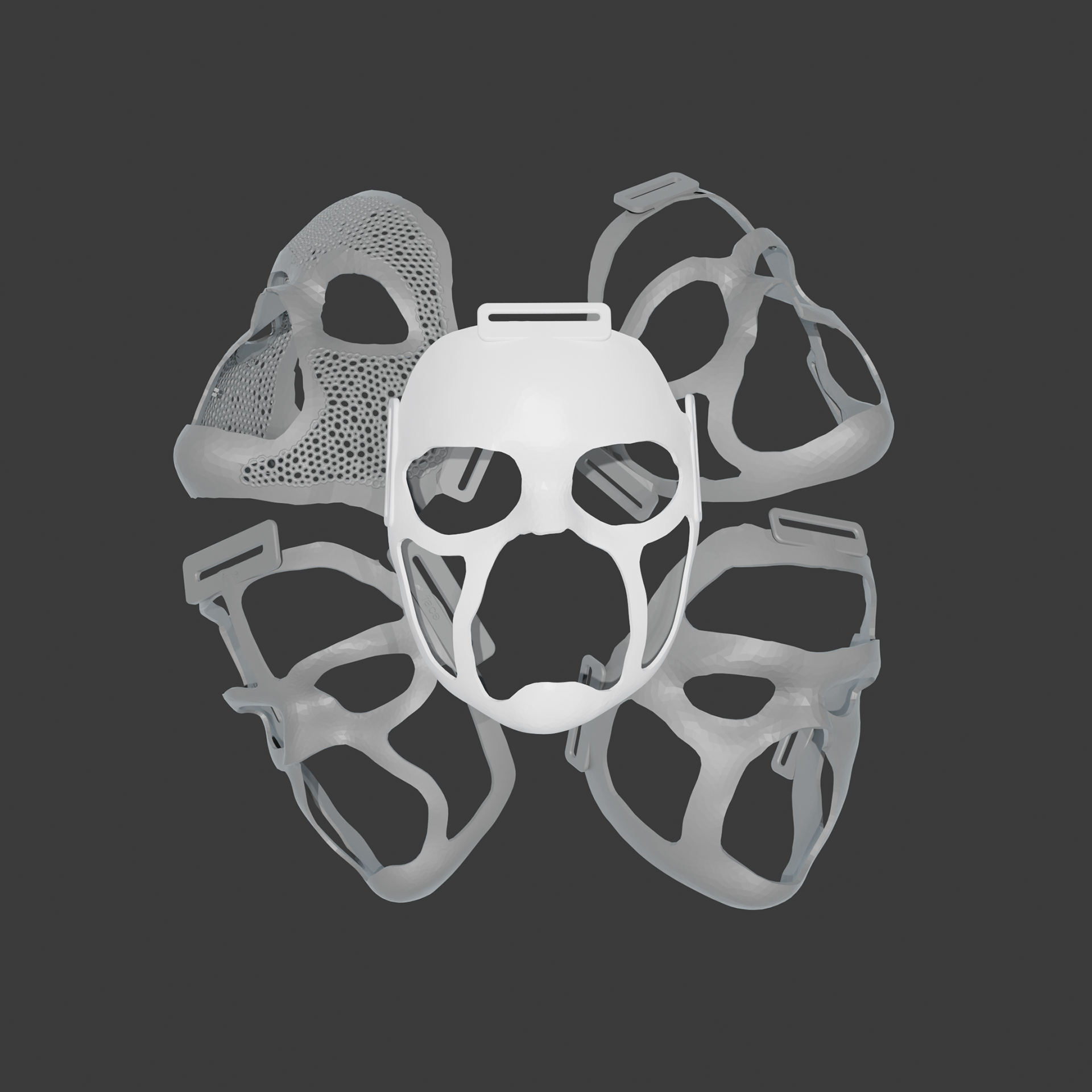
This project allowed me to grow significantly in several areas. I strengthened my ability to conduct evidence-based and human-centered design by combining literature research, observations, interviews, user testing, and quantitative movement measurements. This resulted in a well-founded comparison between the current mask and the redesigned concept.
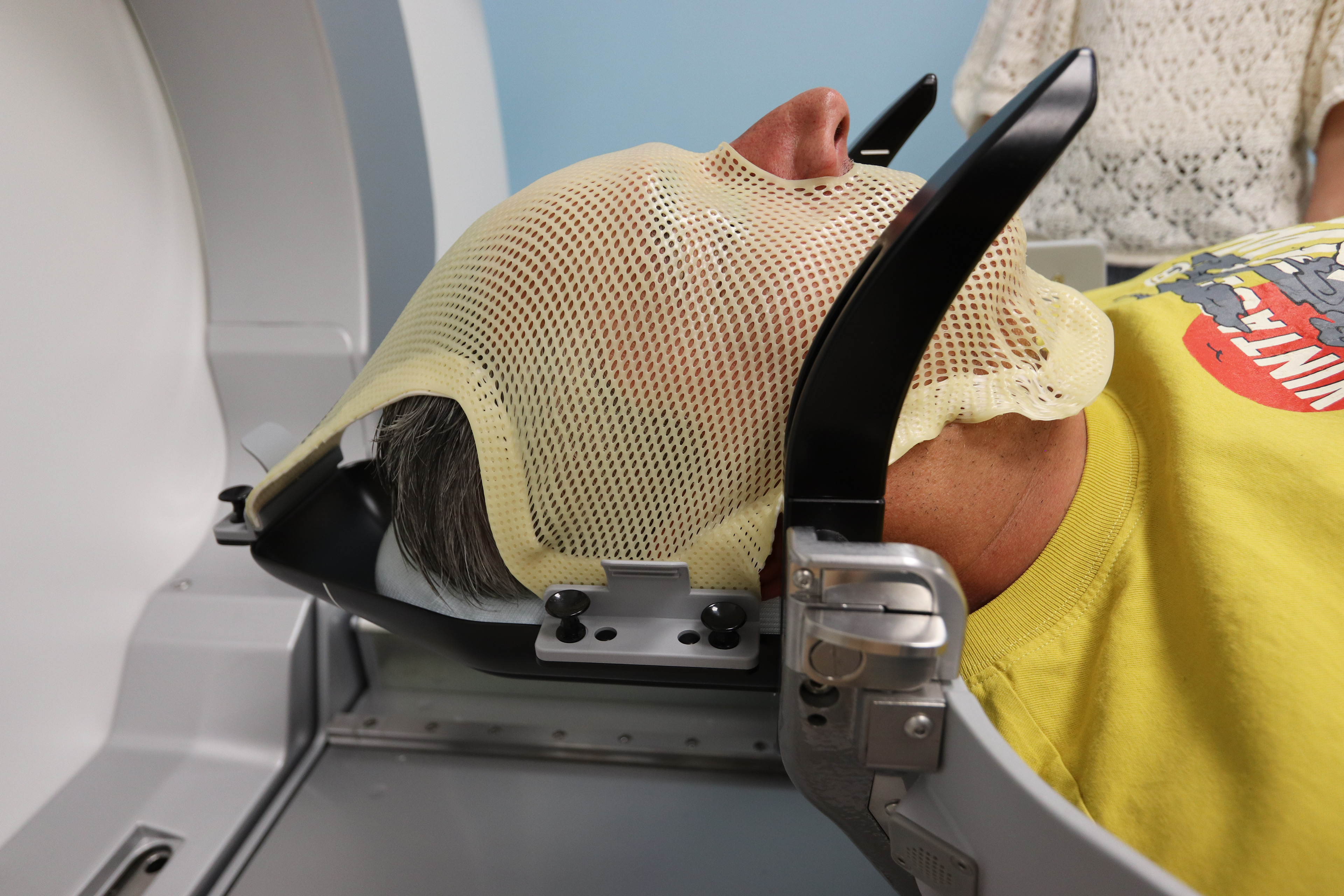
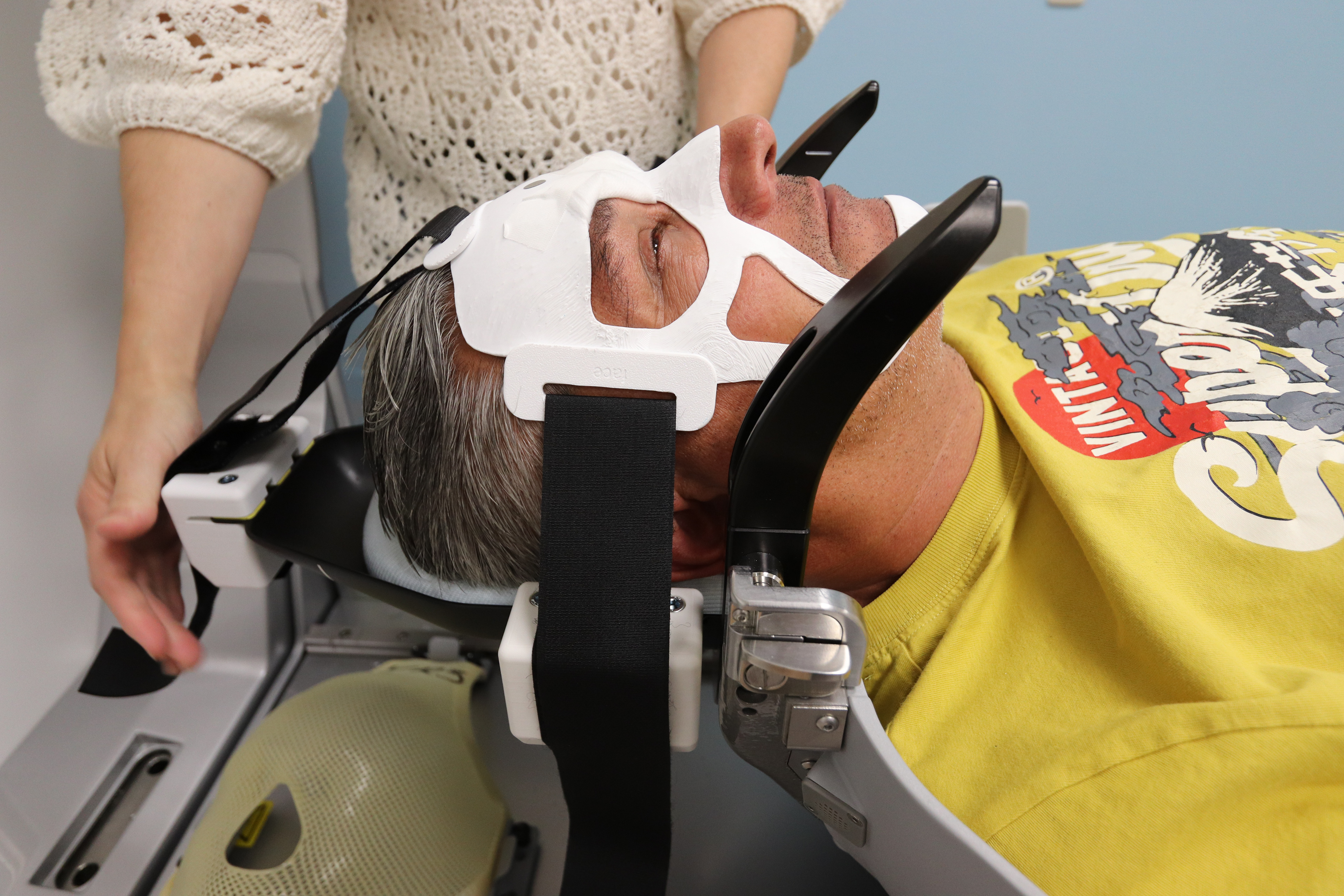
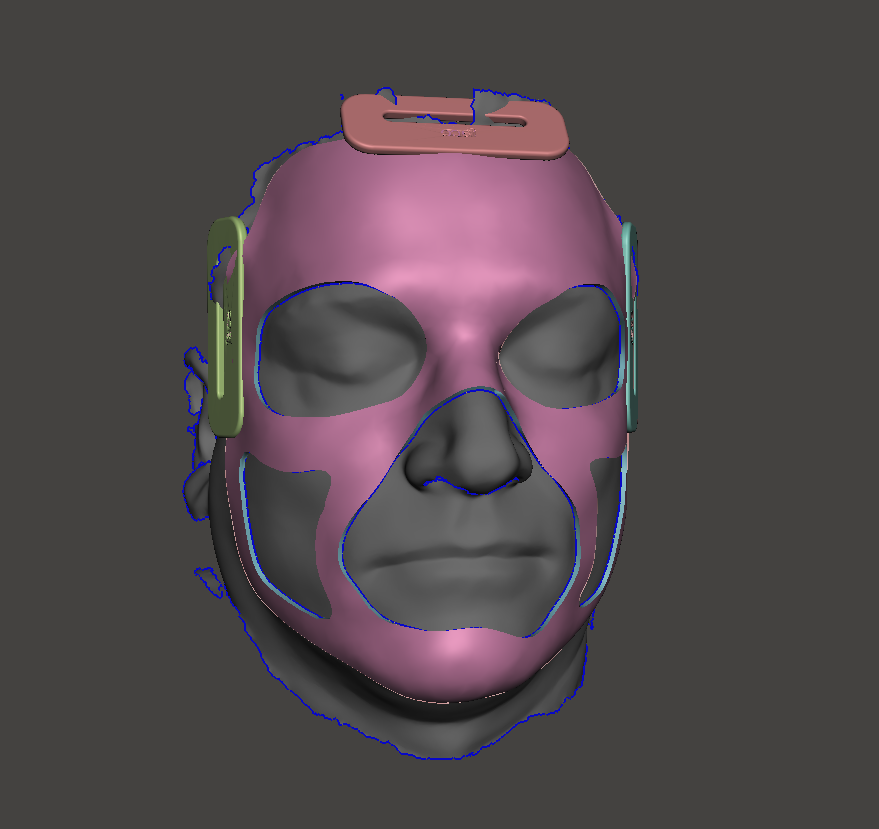
I also further developed my technical skills in 3D design, digital fabrication, and prototyping. By working with medical scans, 3D modeling software, and multiple prototype iterations, I gained valuable experience in translating complex requirements into functional physical solutions.
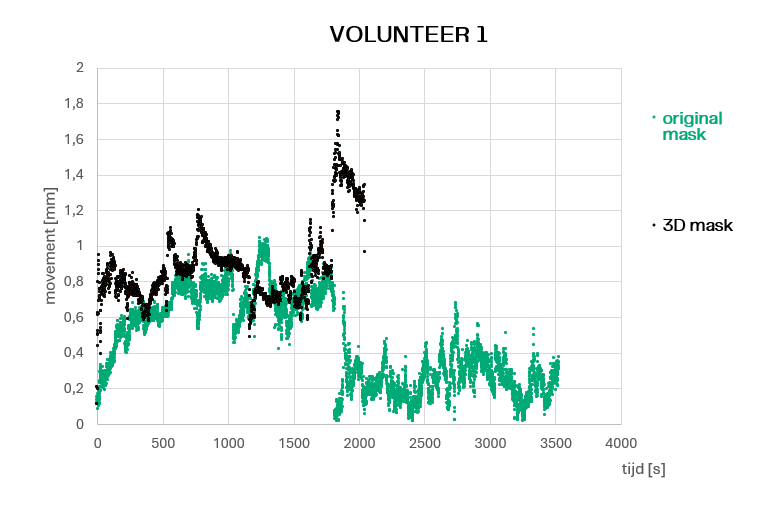
One of my personal goals was to create measurable design impact. Through comfort evaluations and movement measurements with volunteers, I was able to demonstrate both the strengths and limitations of the redesigned mask. The results showed clear improvements in perceived comfort and provided concrete directions for future development.
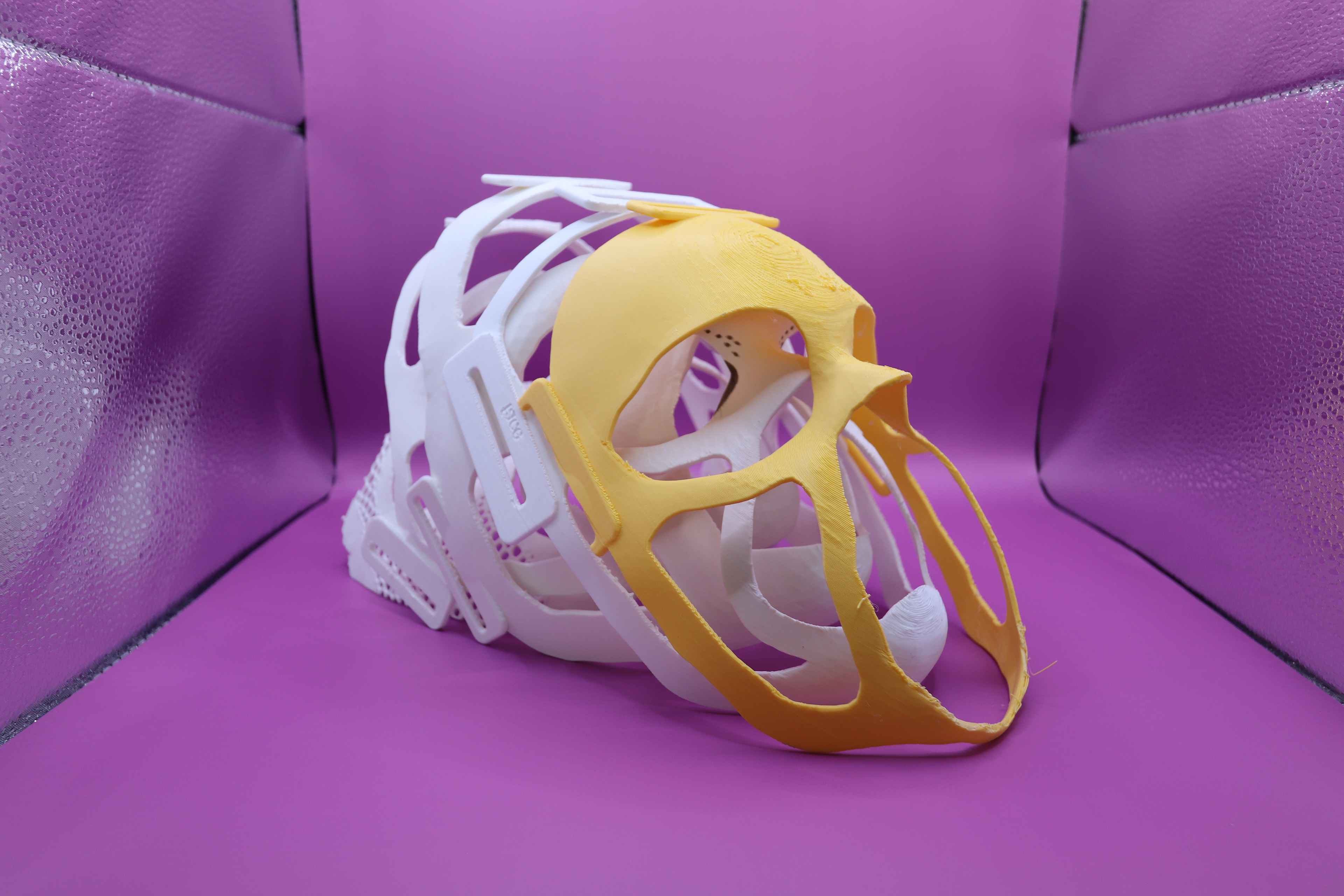
Finally, the project reinforced the importance of iterative design. Multiple prototype generations, pilot studies, and user evaluations helped me continuously refine the concept. Looking back, this iterative process was one of the most valuable aspects of the project, as it demonstrated how meaningful improvements emerge through testing, reflection, and repeated refinement.
Development Through the Gamma Knife Project
The Gamma Knife mask redesign project challenged me to develop myself across multiple Industrial Design expertise areas.
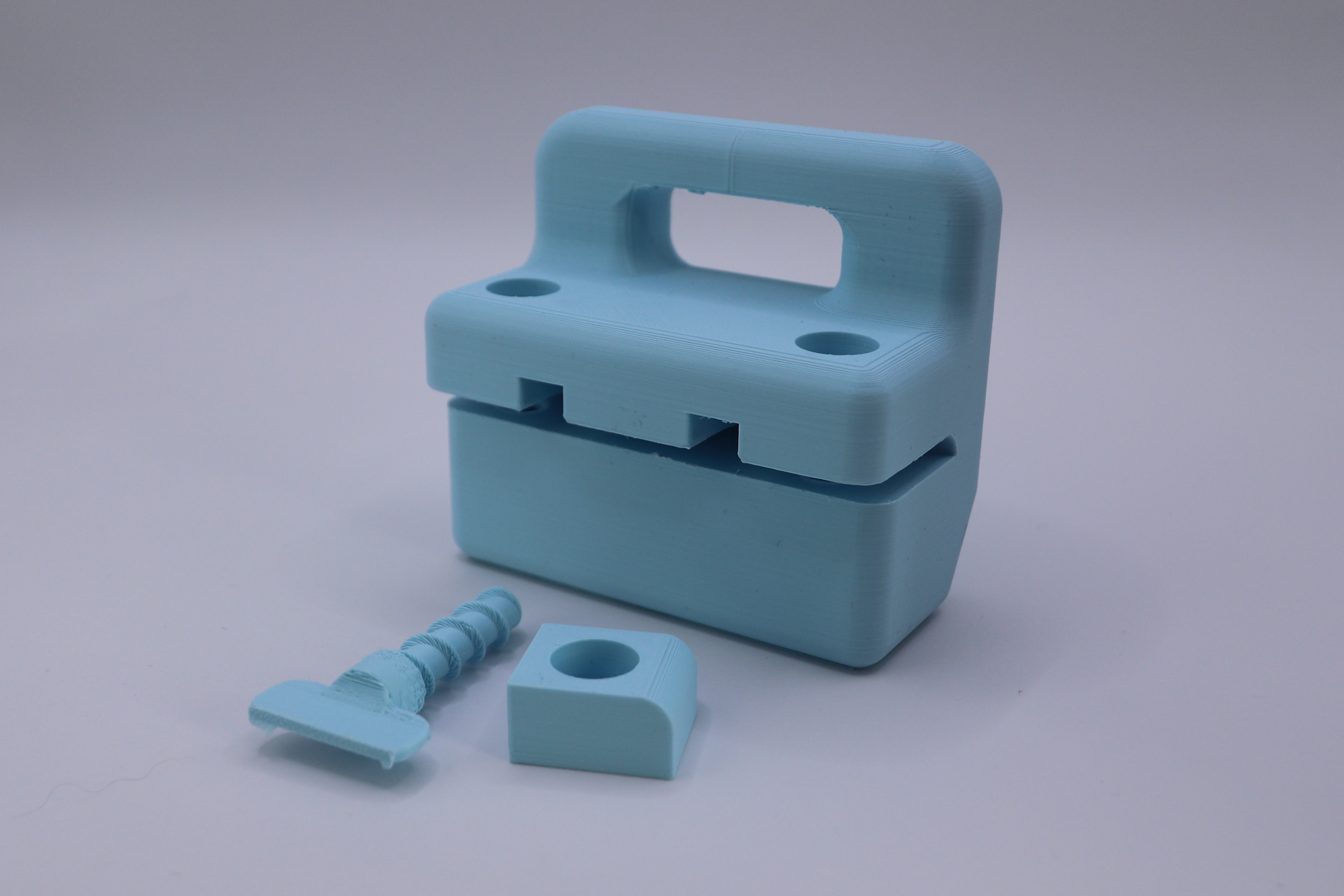
Attachment iteration
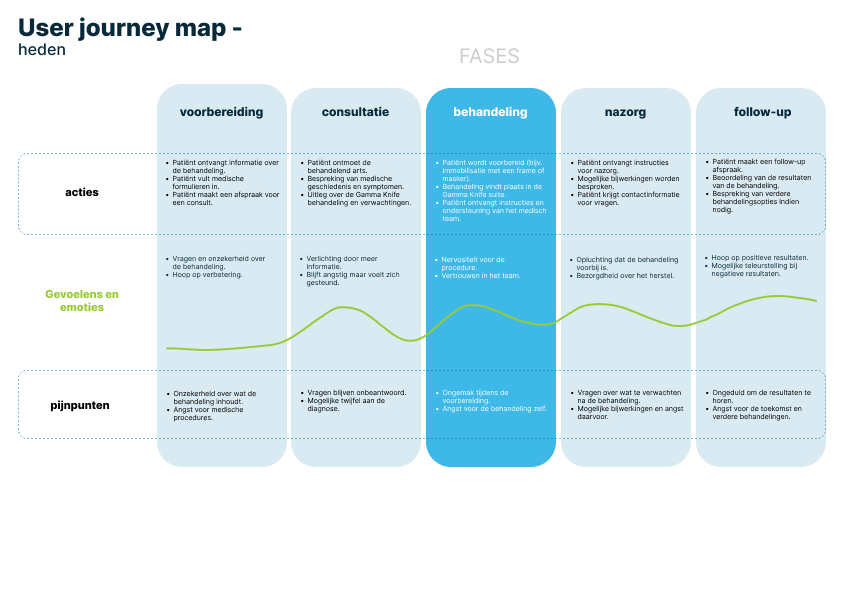
User & Society became the foundation of my project. Through observations in the hospital, interviews with healthcare professionals, patients, and family members, I gained a deeper understanding of the emotional and physical challenges patients experience during treatment. Rather than focusing solely on technical performance, I learned to balance clinical requirements with human needs such as comfort, anxiety reduction, and overall treatment experience.
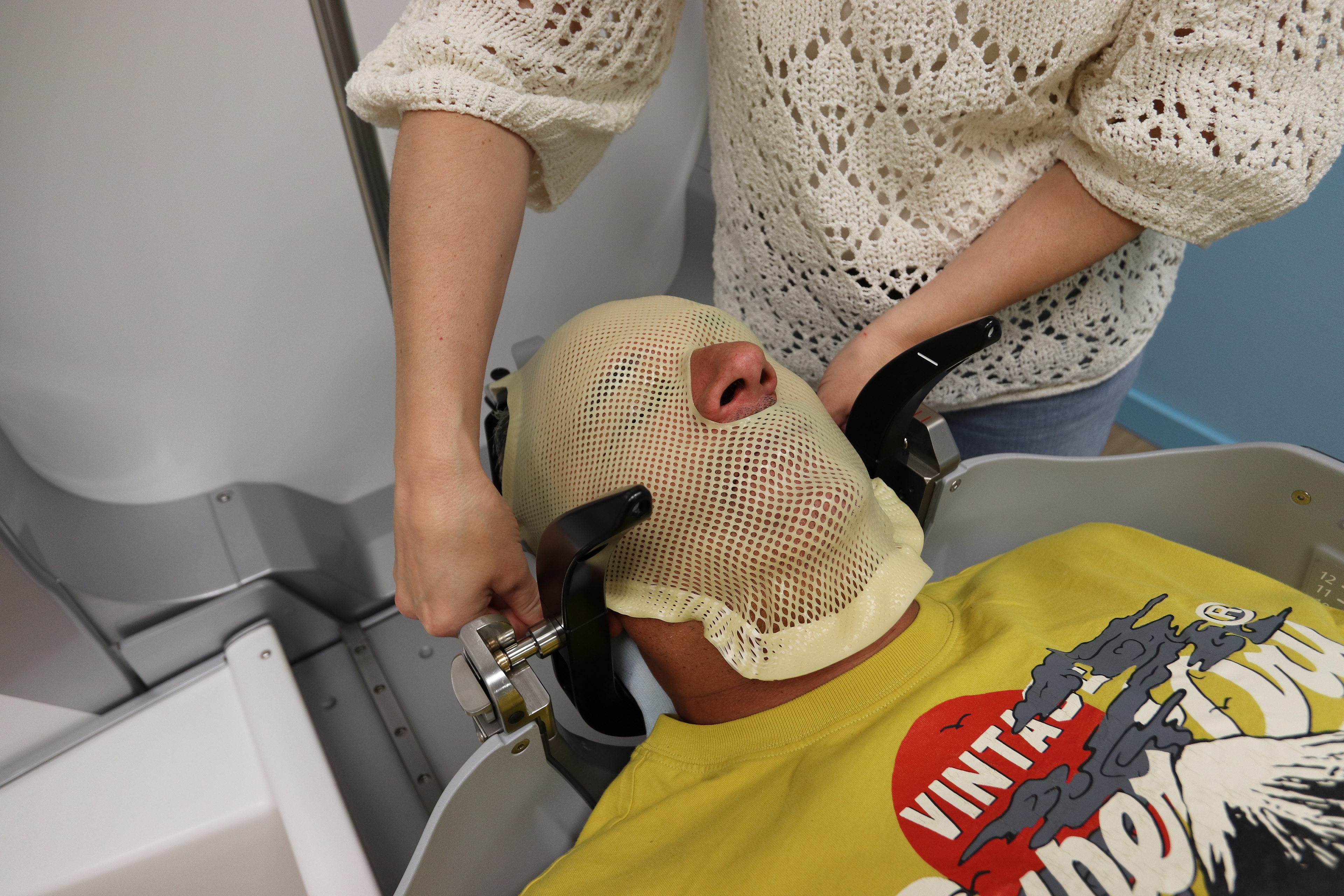
Technology & Realization was strengthened through the development of a fully functional patient-specific mask concept. I worked extensively with medical imaging data, 3D scanning, CAD modelling, rapid prototyping, and additive manufacturing. Multiple prototype iterations taught me how to translate complex requirements into manufacturable solutions while considering material properties, production methods, and practical implementation within a clinical environment.
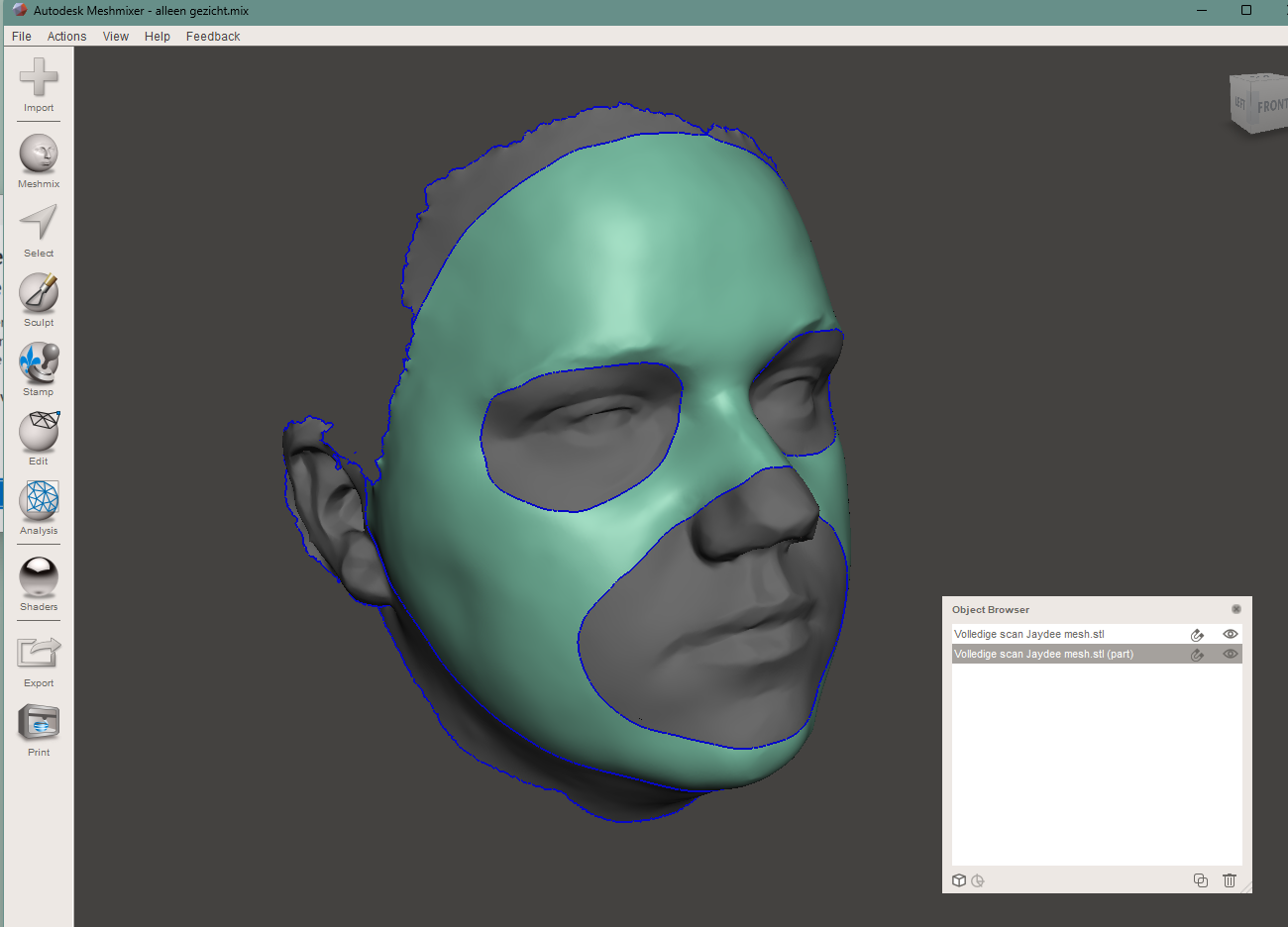
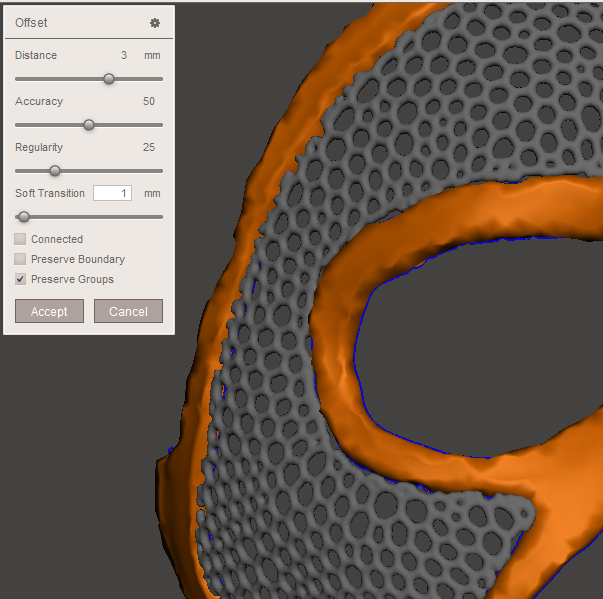
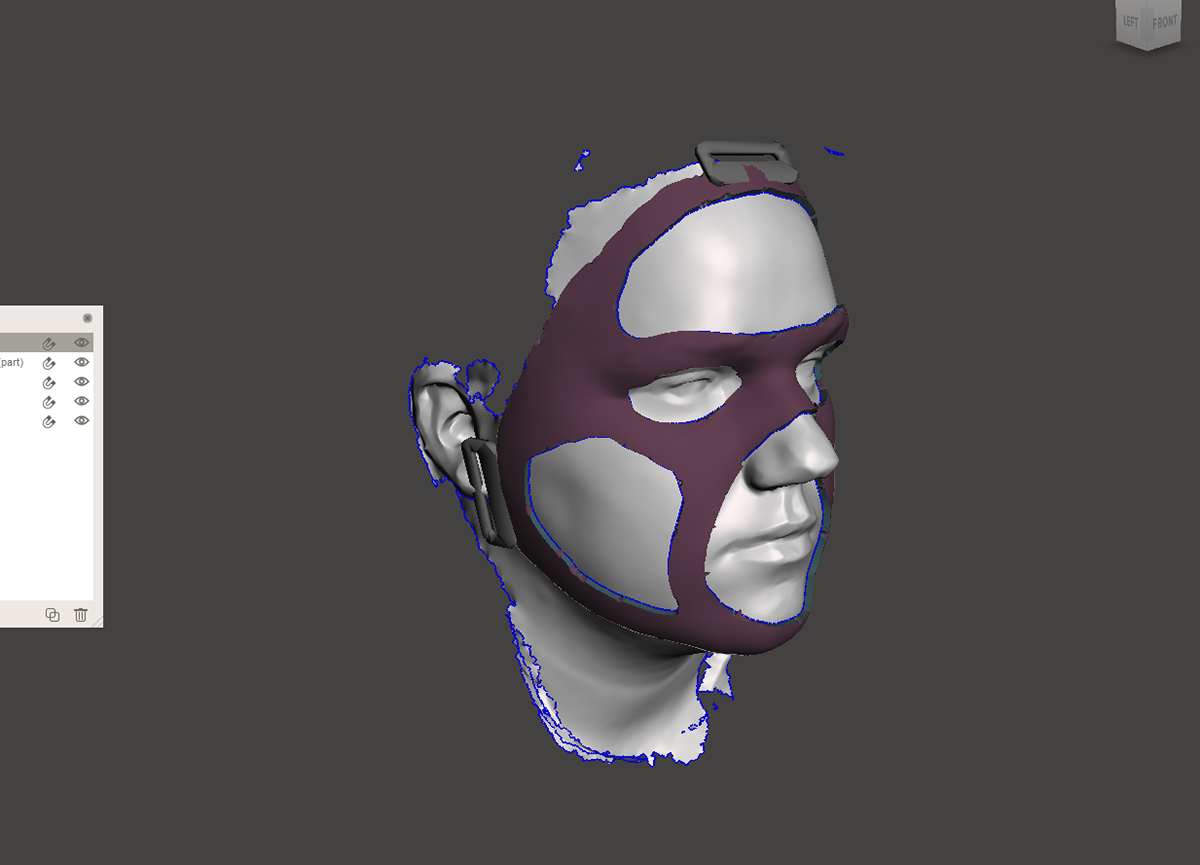
Within Math, Data & Computing, I developed skills in data-driven design and validation. I analysed CBCT datasets, processed movement data from the Gamma Knife system, and used quantitative measurements to evaluate the performance of different design iterations. This helped me move beyond assumptions and support design decisions with objective evidence.
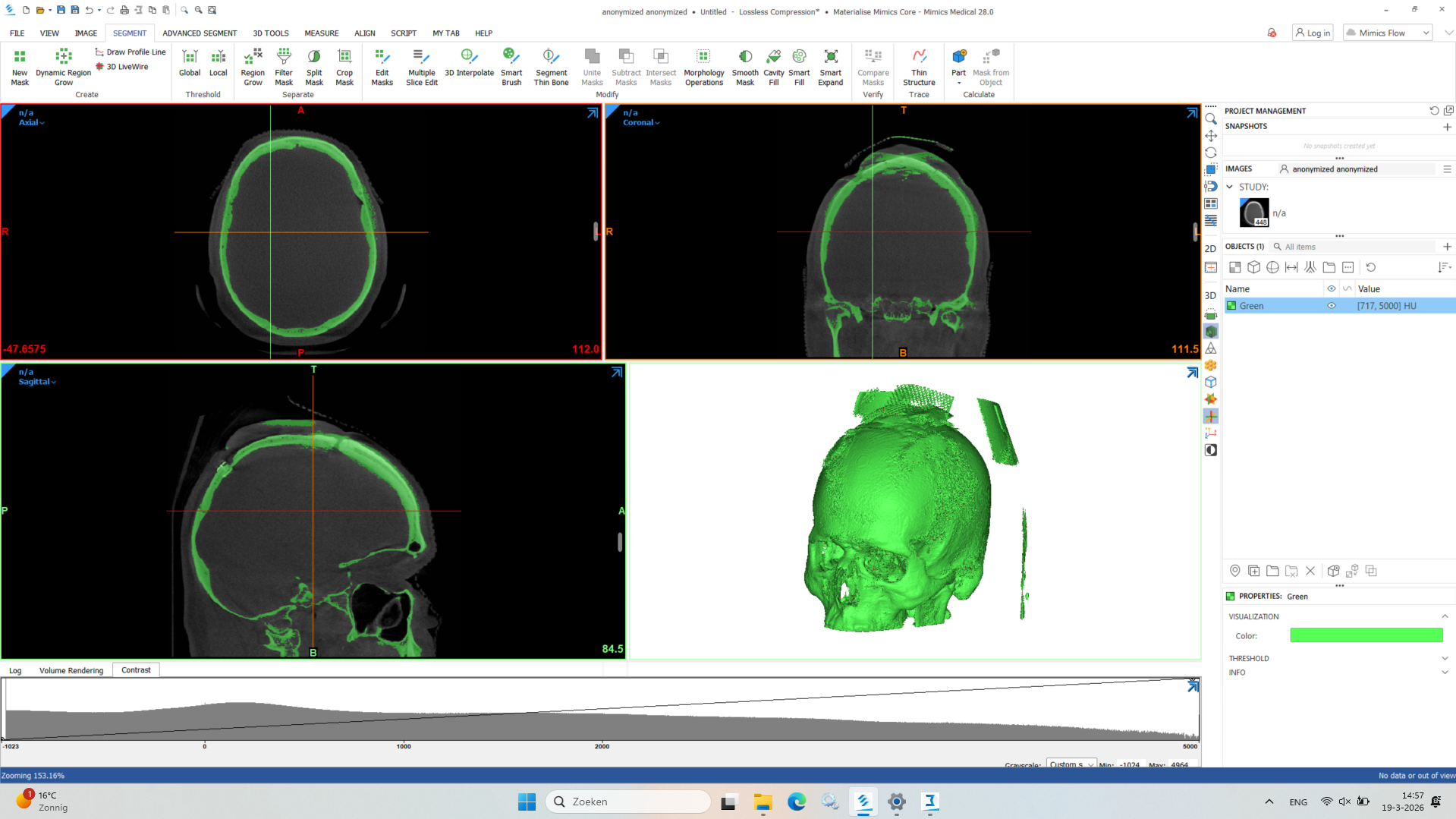
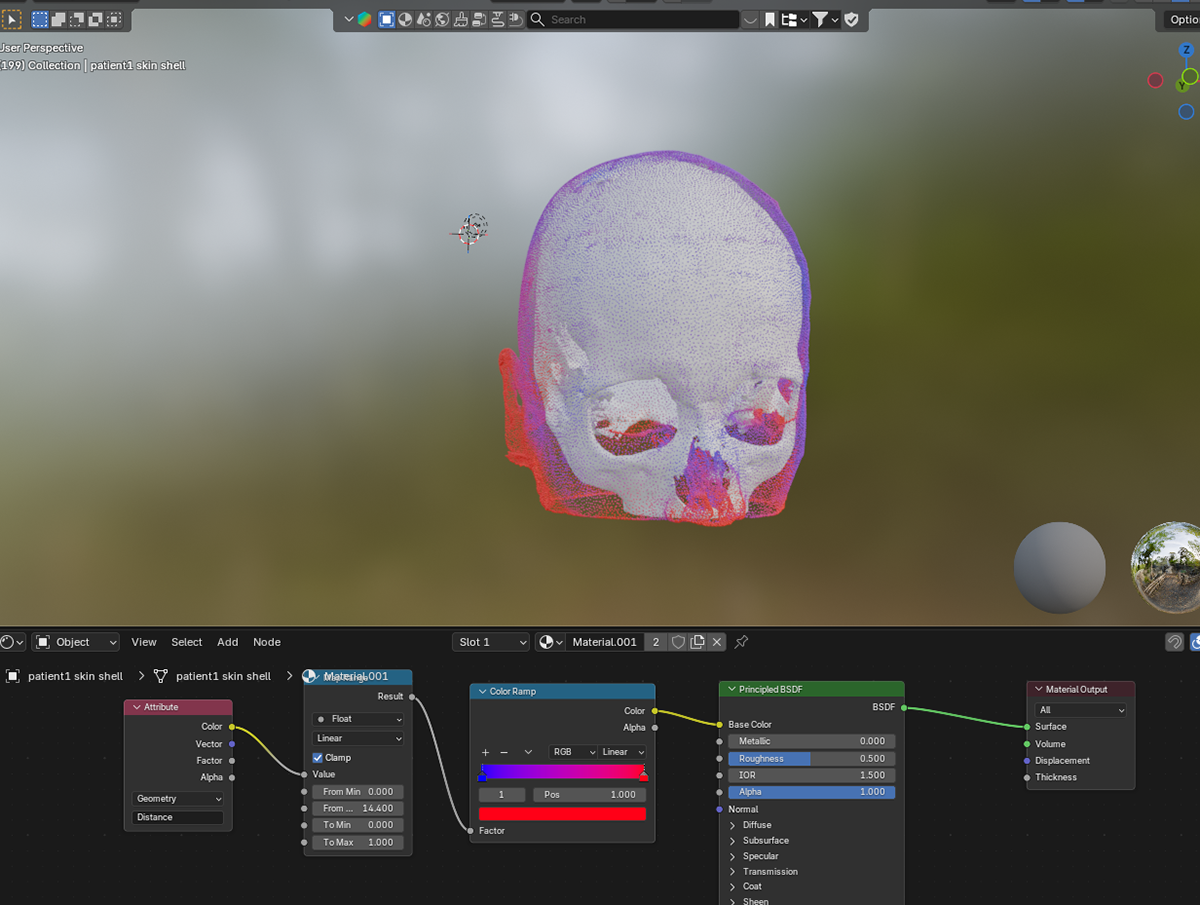
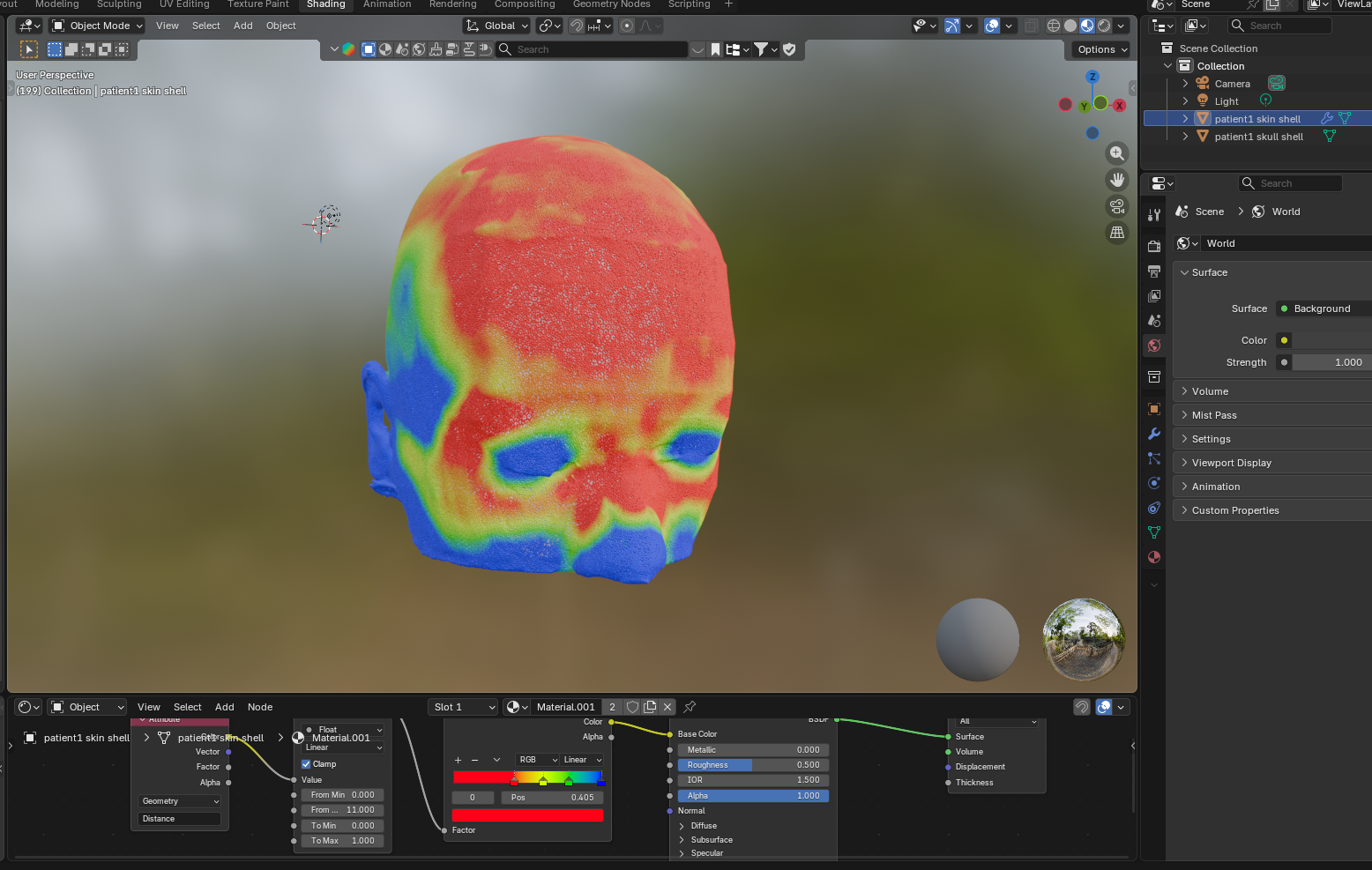
The project also contributed to my growth in Creativity & Aesthetics. Designing for a highly regulated medical context required creative problem-solving within strict constraints. I learned how to explore alternative fixation methods, rethink existing solutions, and develop concepts that improved both functionality and user experience while remaining feasible for clinical practice.
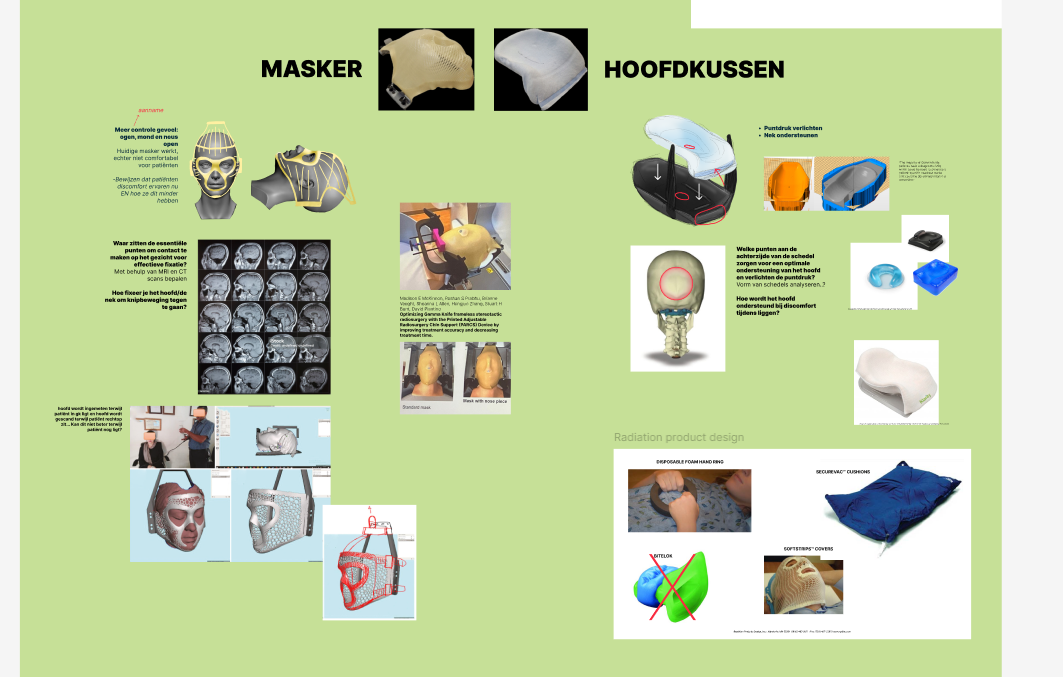
Finally, although Business & Entrepreneurship was not the primary focus of the project, I became more aware of the challenges involved in implementing innovations within healthcare organisations. Working closely with hospital staff provided insight into adoption barriers, workflow integration, production feasibility, and the importance of demonstrating value before a new solution can be implemented.
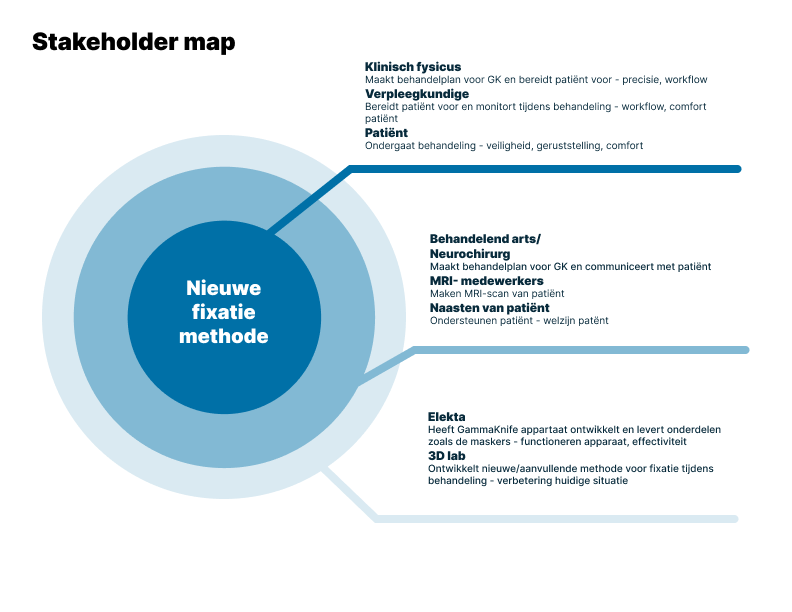
Looking back, this project represents a significant step in my development as a designer. It brought together research, technology, healthcare, and human-centred design, while reinforcing my ambition to create meaningful solutions that improve people's quality of life.
Personal Reflection
When choosing a graduation project, I deliberately decided not to continue developing my drinking cup concept for people with disabilities, despite my strong personal connection to that topic. Instead, I chose to work within a hospital environment. My main motivation was to broaden my perspective and explore a professional field that was largely unfamiliar to me.
Although I would eventually like to start my own company, I felt it was important to first gain experience in established organisations and learn more about how product development and production processes work in practice. I was also curious about how innovation takes place in a medical environment compared to the care sector, where I already had experience through my personal life.
This project taught me a great deal. I gained valuable research skills, learned about clinical workflows, worked with medical imaging data, and developed a deeper understanding of how healthcare innovations are introduced and validated. At the same time, it helped me better understand what kind of designer I want to become.
While I greatly respect the work being done in healthcare, I discovered that a highly medical and research-driven environment is not where I see myself building my career. Medical innovation is understandably focused on effectiveness, safety, and clinical outcomes. In many situations, it is more important that a treatment works than that it provides the best possible user experience. Although I understand and appreciate this priority, I found myself naturally drawn towards the human, practical, and ergonomic aspects of design.
I also realised that I enjoy working on tangible solutions that can be developed, tested, and improved rapidly. During the project, my interest in prototyping and manufacturing grew significantly, particularly through the use of 3D printing. The ability to quickly transform ideas into physical products, test them, and immediately learn from the results is something I find incredibly rewarding.
Looking back, the project not only helped me develop as a designer, but also clarified my future direction. It confirmed my interest in creating practical, human-centred products and strengthened my ambition to further explore product development, manufacturing, and design for everyday life.